
Information to help you understand your condition and discuss your care with your eye specialist.
What is Age-Related Macular Degeneration (AMD)?
Age-related macular degeneration (AMD) affects the macula, the central part of the retina responsible for sharp, straight-ahead vision. It usually affects people over 50. Its effects and progression vary from person to person.
There are two main forms:
- Dry (atrophic) AMD — the more common form.
- Wet (neovascular) AMD — a less common form that can progress rapidly.
Dry AMD tends to progress slowly, whereas wet AMD can cause rapid loss of central vision. People with dry AMD may develop wet AMD.
Risk factors include:
- Increasing age
- Family history of AMD
- Smoking
- Not enough leafy greens in diet
- High blood pressure and cardiovascular disease
- Excessive sunlight exposure
- Obesity
Dry AMD
Dry AMD involves gradual thinning of the macula over time. It typically progresses slowly, and in early stages may not affect vision.
As it advances, patients may notice:
- Blurry vision
- Difficulty reading
- Trouble recognising faces
- Challenges seeing things they used to see well
There is currently no cure for AMD. Regular monitoring and lifestyle changes help protect your vision. Your ophthalmologist can advise on treatment and whether an AREDS2 supplement is appropriate for your stage of AMD.
Wet AMD
Wet AMD occurs when abnormal blood vessels grow under the macula and leak fluid or blood, leading to sudden or severe vision loss.
Treatment for wet AMD
- Injections of anti-VEGF medications (anti–vascular endothelial growth factor) into the eye.
- Treatment often starts with regular injections. The interval may then be extended gradually, depending on scans and your response to treatment. This is called a “treat and extend” approach.
- Some patients need long-term or lifelong treatment to maintain their vision.
Risk Factors
Having wet AMD in one eye increases the risk of developing it in the other. Regular monitoring of both eyes is important. Some risk factors cannot be changed, but others can be managed:
| Risk Factor | Recommendation |
|---|---|
| Smoking | Stop smoking |
| Diet | Eat leafy green vegetables, nuts, and fish |
| UV exposure | Wear sunglasses and a wide-brimmed hat |
| High blood pressure | Work with your GP to manage it well |
| Obesity | Maintain a healthy weight and exercise regularly |
What can you do?
- Use an Amsler grid once a day, unless your eye specialist advises otherwise, to check for new distortion or missing areas. Ask the clinic for a grid and follow the instructions below.
- Attend all scheduled follow-up appointments for scans and injections if required
- AREDS2 supplements may help people with intermediate AMD, or late AMD in one eye, reduce the risk of further progression. They are not recommended for every stage of AMD.
- Ask your ophthalmologist which formulation and dose are appropriate for you.
- Tell your doctor about your medicines and other supplements before starting AREDS2.
Get in contact as soon as possible if:
- You notice new distortion on the Amsler Grid
- There is sudden reduction in central vision
- You experience wavy lines or sudden blur
- For more information visit the Macular Disease Foundation of Australia website:
- https://www.mdfoundation.com.au/
Amsler Grid Instructions
1. Wear your reading glasses (if you normally use them).
2. Hold the grid at your normal reading distance, in good lighting.
3. Cover one eye with your hand.
4. Focus on the dot in the centre of the grid.
5. While looking at the dot, ask yourself:
- Are any lines wavy, blurry, or distorted?
- Are there any missing or dark areas?
6. Repeat with the other eye.
Do this test once a day, ideally at the same time each day.
If you notice any changes, such as new distortion or missing areas, contact your eye specialist immediately.
Illustrations
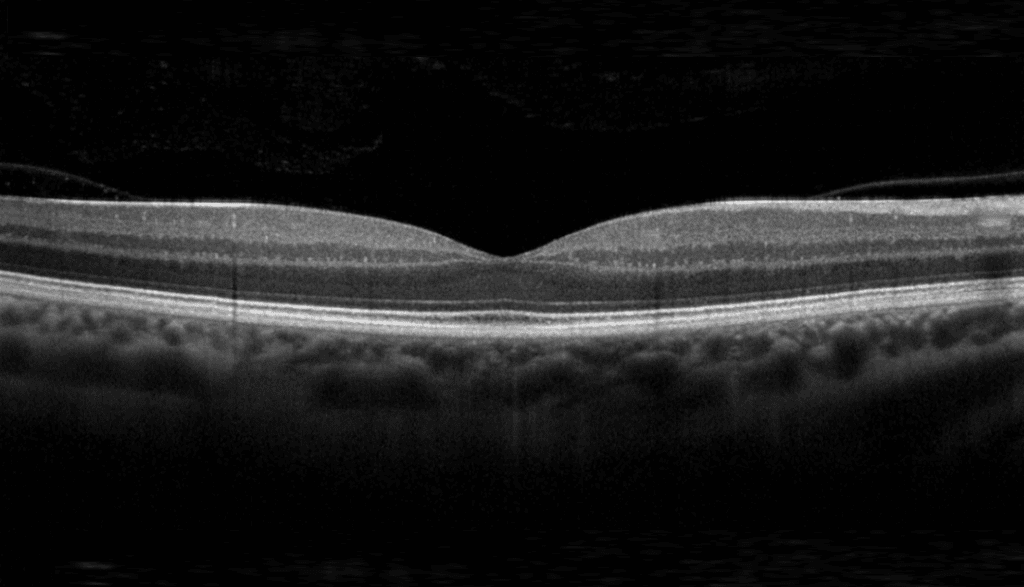
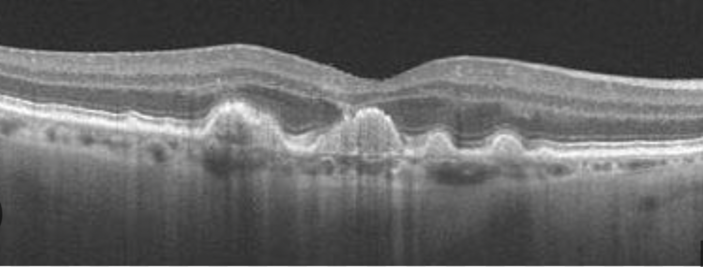
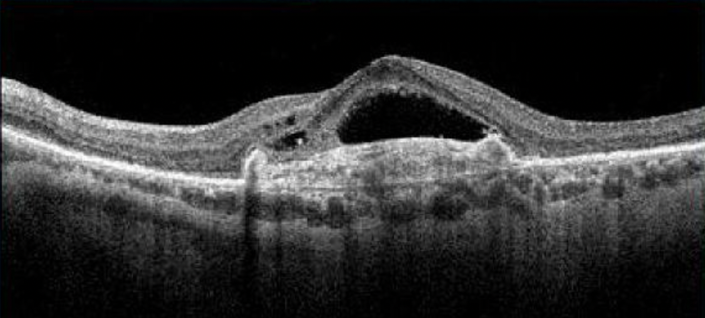
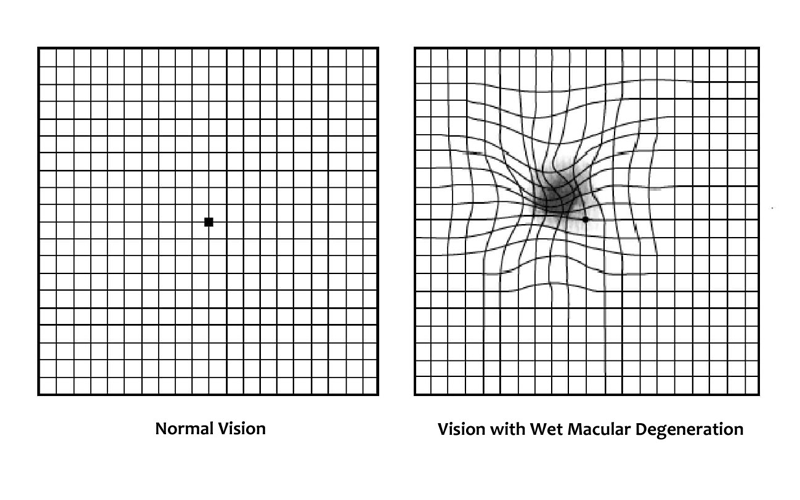
The grid illustration demonstrates distortion. Ask the clinic for an Amsler grid to use for your regular checks.
Further information
Questions or concerns?
For advice about your own eyes, contact South Street Eye Clinic on (08) 9312 6033 or Mount Lawley Eye Clinic on (08) 9371 1910. Seek urgent eye assessment for sudden vision loss, a new curtain or shadow, or severe eye pain. If urgent help is needed outside clinic hours, attend your nearest emergency department.