
Information to help you understand your condition and discuss your care with your eye specialist.
What is diabetic eye disease?
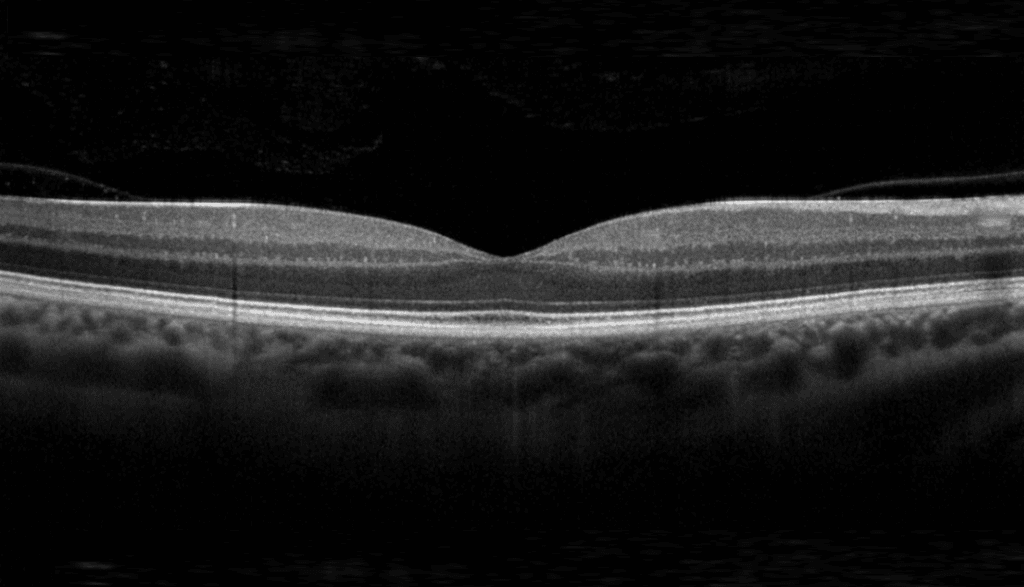
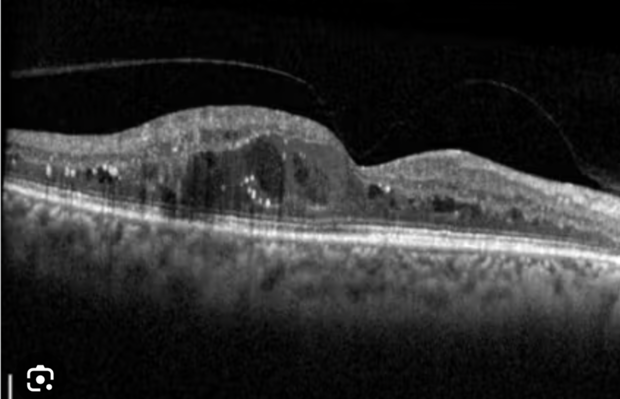
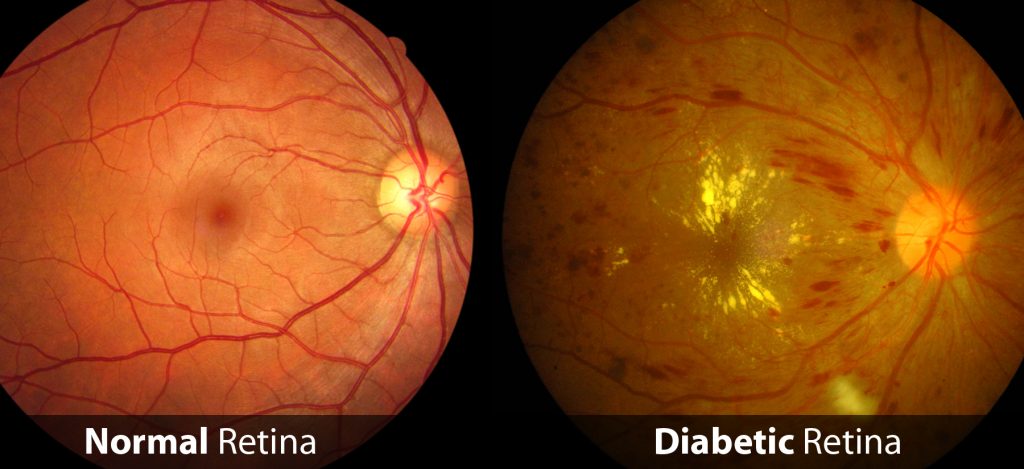
Diabetes can affect the eyes in several ways. This information focuses on two retinal problems: diabetic retinopathy and diabetic macular oedema.
Diabetic retinopathy
Diabetic retinopathy occurs when diabetes damages the small blood vessels of the retina. It ranges from mild to severe non-proliferative diabetic retinopathy (NPDR). In proliferative diabetic retinopathy (PDR), abnormal new blood vessels grow on the retina.
| Grade | Description |
|---|---|
| Mild non-proliferative diabetic retinopathy (NPDR) | Early changes in the small retinal blood vessels. |
| Moderate NPDR | More extensive changes in the retinal blood vessels and bleeding than in mild NPDR. |
| Severe NPDR | Retinal haemorrhages/bleeds with changes to the vascular network/vessels |
| Proliferative diabetic retinopathy (PDR) | Development of new abnormal blood vessels which may cause large bleeds/cause retinal detachment |
Treatment depends on the stage of retinopathy, your vision and whether macular oedema is present. Some changes require monitoring only. Proliferative retinopathy may need retinal laser, injections or surgery to reduce the risk of bleeding, retinal detachment and vision loss.
Diabetic macular oedema (DMO)
Diabetic macular oedema (DMO) is swelling caused by fluid leaking into the macula, which is responsible for detailed central vision. It can occur at any stage of diabetic retinopathy. Some cases can be monitored; others need injections or other treatment. Your ophthalmologist will discuss the options and follow-up schedule with you.
What makes diabetic eye disease worse?
Several factors can worsen or accelerate diabetic eye disease
| Modifiable Risk Factors | What to Aim for |
|---|---|
| High blood sugar (HbA1c) | HbA1c is a blood test that reflects blood glucose control over time. Agree a target and testing schedule with your GP or diabetes specialist. |
| High blood pressure | Work with your GP to set and achieve a blood pressure target appropriate for you. |
| High cholesterol | Ideally within the normal healthy limits, guided by your GP or diabetic specialist |
| Smoking | Stop smoking |
| Kidney disease | Healthy kidney function and urine tests |
| Anaemia | Blood levels within the normal range |
What can you do to protect your vision?
- Have regular dilated eye examinations either with your ophthalmologist or optometrist (usually once per year, more frequently if advised)
- Even when no treatment is required, regular monitoring is essential to detect any early changes
- Work with your GP or endocrinologist to manage blood sugar, blood pressure, and cholesterol
- Report any changes in vision promptly—blurriness, floaters, sudden loss of vision or eye pain
- Attend all scheduled eye treatments and follow-ups.
Your ophthalmologist, optometrist, GP or diabetic specialist can answer questions specific to your situation. Please take time to ask any questions you have.
Illustrations
Further information
Questions or concerns?
For advice about your own eyes, contact South Street Eye Clinic on (08) 9312 6033 or Mount Lawley Eye Clinic on (08) 9371 1910. Seek urgent eye assessment for sudden vision loss, a new curtain or shadow, or severe eye pain. If urgent help is needed outside clinic hours, attend your nearest emergency department.