
Information to help you understand your condition and discuss your care with your eye specialist.
What is a retinal vein occlusion?
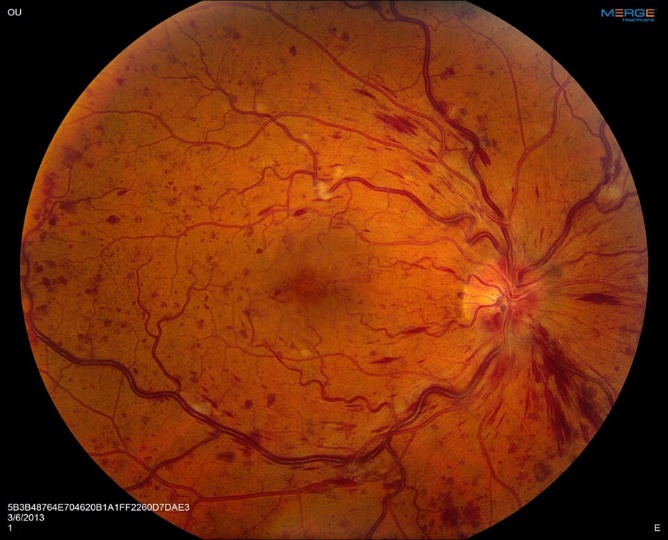
A retinal vein occlusion happens when a vein in the eye becomes blocked. This vein normally drains blood away from the retina (the light-sensitive “film” at the back of the eye).
- If the main central vein is blocked, it is called Central Retinal Vein Occlusion (CRVO).
- If a smaller branch vein is blocked, it is called Branch Retinal Vein Occlusion (BRVO).
This blockage can cause:
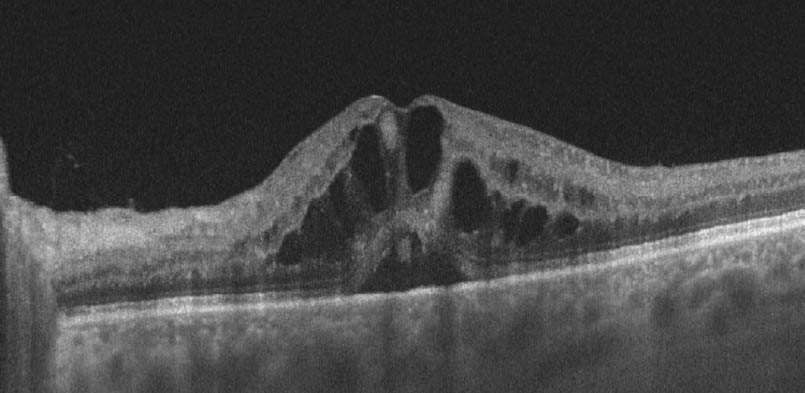
- Swelling in the central vision area (macula).
- Poor oxygen supply to the retina.
- In some cases, growth of abnormal new blood vessels.
It is often linked to high blood pressure, diabetes, cholesterol, glaucoma, or smoking.
Symptoms
- Blurred or reduced vision
- Dark patches or blind spots in vision
- Rarely, pain if complications develop
What are the causes and risk factors?
| Modifiable Risk Factors | What to Aim for |
|---|---|
| High blood pressure | Work with your GP to set and achieve an appropriate blood pressure target. |
| Diabetes | Agree blood glucose and HbA1c targets, and a testing schedule, with your GP or diabetes specialist. |
| Glaucoma | Regular monitoring and treatment with your optometrist/ophthalmologist |
| High cholesterol | Ideally within the normal healthy limits, guided by your GP |
| Smoking | Stop smoking |
| Blood abnormalities | Blood levels within the normal range – to be checked by your GP |
Possible Complications
Not everyone will develop complications, but they can happen. With regular check-ups, we can usually treat them early and protect vision
Macular swelling (CMO)
Cystoid Macular Oedema (CMO) causes blurred central vision. This is often treated with eye injections (intravitreal injections). Some people only need a few injections, while others need ongoing treatment.
Abnormal blood vessels
May grow if the retina isn’t getting enough oxygen. These vessels can bleed and raise eye pressure (neovascular glaucoma). Treatment may include laser, injections, or surgery.
Prognosis
- The outcome varies and depends on the severity/location of the occlusion
- Patients with BRVO tend to have a slightly better outlook than those with CRVO, but the treatment approach and follow-up are similar
- Many people see improvement of vision with treatment, especially over time
- Some patients need long-term intravitreal injections.
- Retinal laser may be required if abnormal new blood vessels develop.
- The other eye can also be affected, so ongoing review is important.
Treatment aims to preserve useful vision and reduce complications. The outcome depends on the severity of the condition and your response to treatment.
What can you do to protect your vision?
- See your GP to check and manage blood pressure, diabetes and cholesterol
- Stop smoking
- Attend all eye appointments – monitoring is just as important as treatment
- Call your eye specialist urgently if you develop sudden vision loss or severe eye pain
Your ophthalmologist, optometrist, GP or diabetic specialist can answer questions specific to your situation. Please take time to ask any questions you have.
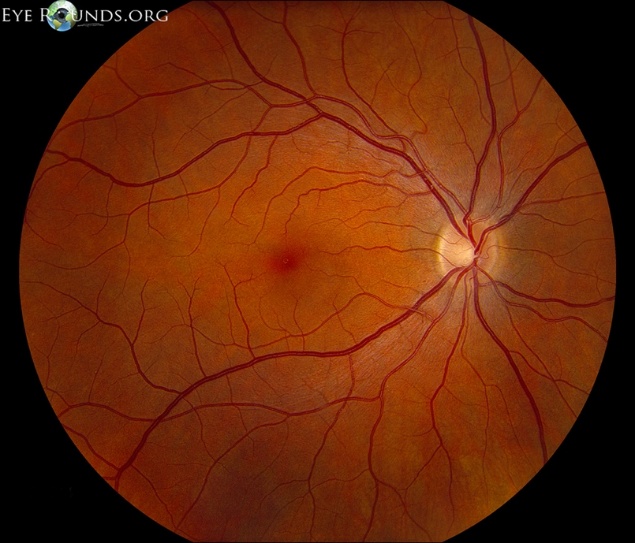
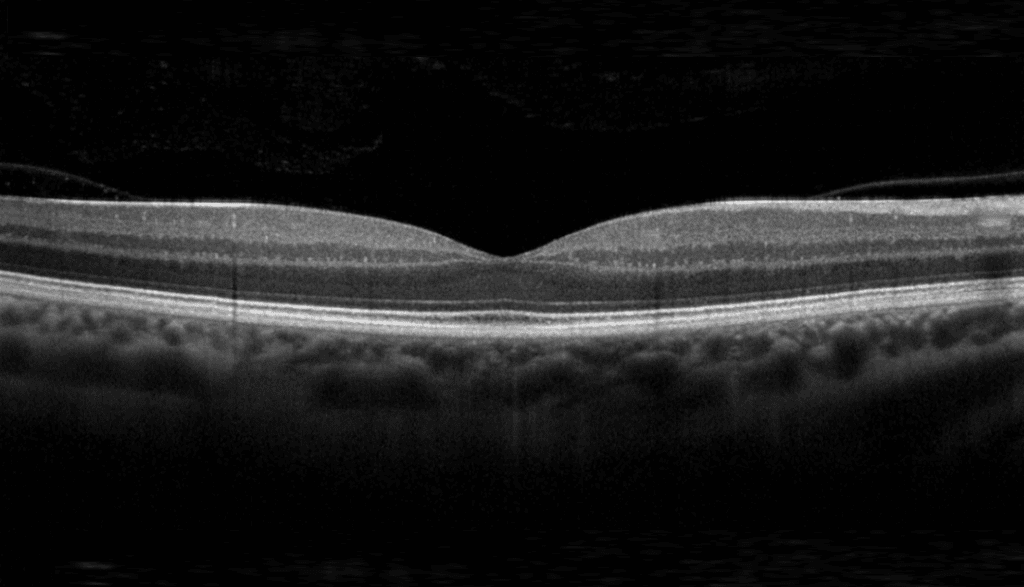
Illustrations
Questions or concerns?
For advice about your own eyes, contact South Street Eye Clinic on (08) 9312 6033 or Mount Lawley Eye Clinic on (08) 9371 1910. Seek urgent eye assessment for sudden vision loss, a new curtain or shadow, or severe eye pain. If urgent help is needed outside clinic hours, attend your nearest emergency department.